To encourage fans to use your song on TikTok, give them one clear idea they can make their own, show an example, and provide the exact sound link. Start with something the track naturally fits: a memory, a place, a performance, or a small creative transformation.
A request to “help make this go viral” gives people a goal without showing them what to post. A useful prompt gives them a subject and leaves room for their own contribution.
What makes a fan prompt easy to join?
Someone should be able to understand the invitation without reading a campaign brief. Explain what to make, which sound to select, and how to share it with you if they want you to see it.
For a hypothetical song about missing home, an invitation might be: “Show us the place you still think about after moving away. Use this sound if it fits your story.”
That works as a photo carousel, short video, or performance introduction. Decide whether the format matters to your campaign. Requiring a specific format can make the idea more consistent, but it also asks participants to follow another instruction.
The first example should be worth watching even before anyone joins. Do not make the creative idea depend on an audience you have not yet reached.
Choose a prompt connected to the music
| Song connection | Invitation | Example you could publish |
|---|---|---|
| Missing a place | Show a place you miss and one detail you remember. | Owned photos of a former street, room, or local meeting spot. |
| Starting again | Show something you are doing for the first time. | A short story about a genuine new beginning. |
| A distinctive musical part | Play your version of this passage. | Your own performance with the part clearly demonstrated. |
| Friendship | Share a small moment that represents your friendship. | A photo story shared with the people pictured agreeing to it. |
| A change in energy | Show a before-and-after that fits the transition. | An edited video with a reveal timed to the music. |
These are hypothetical starting points. Change them to fit the actual lyrics and mood. Avoid a prompt that requires someone to invent a dramatic personal story.
Native Photo Mode can work for people who already have suitable photos and do not want to film. Use images you can publish and let the idea make sense without demanding precise swipe timing.
Show the upload path, not just the finished result
Publish your example and explain the steps briefly:
- Choose your photos or record the performance.
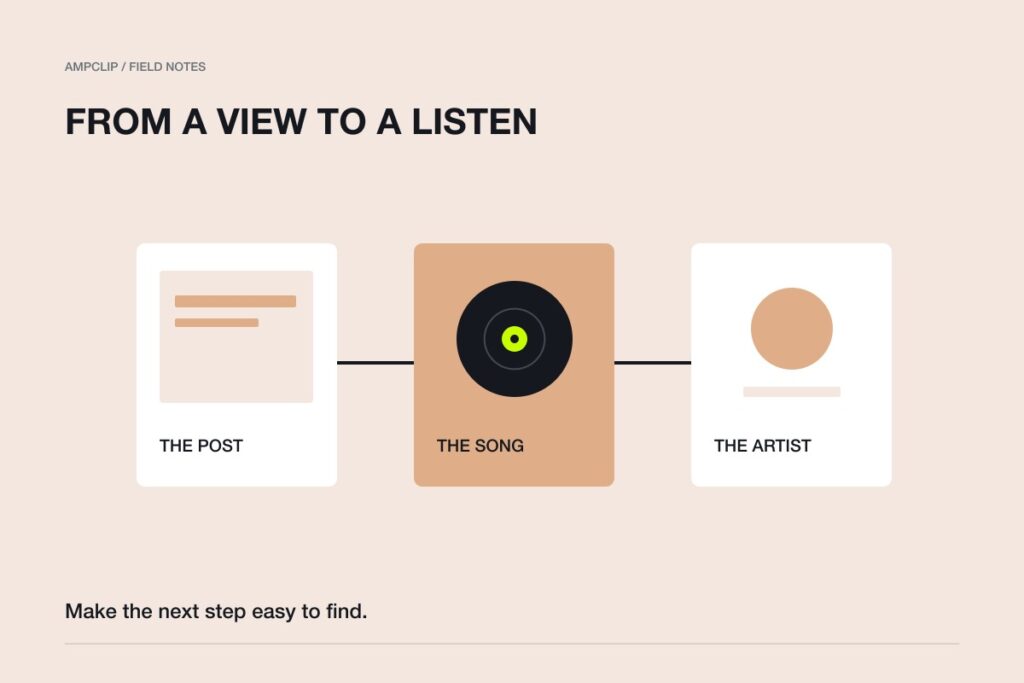
- Open the linked sound and select it for the post.
- Check that the music is audible and the intended recording is attached.
- Add any optional campaign tag or artist mention you are using.
- Publish if you are comfortable sharing it.
Test the sound link before distributing these instructions. Our TikTok setup guide covers finding and confirming the track.
If you want participants to use the library recording, say that clearly. Uploading an edit with audio already attached can produce a different sound entry. Do not assume all posts containing the same song belong to one sound page.
What can we learn from YOASOBI and Mrs. GREEN APPLE?
Two documented TikTok Japan campaigns show different choices.
YOASOBI’s 2023 campaign invited fans to share memories in Photo Mode with YOASOBI music, then apply for an in-person TikTok LIVE ticket lottery. The format was part of the participation requirement.
Mrs. GREEN APPLE’s 2024 “Bitter Vacance” campaign accepted several formats, including Photo Mode, while specifying the official library sound and campaign hashtag. The announced recognition was a Fan Spotlight.
The lesson is about clarity: you can keep the format fixed or leave it open, while making the sound-selection instructions explicit. These announcements do not establish that fan carousels caused a streaming increase.
Our campaign comparison separates documented rules from the sound-page examples we found. A post under a sound is not automatically a verified campaign entry.
Maya Manuela: make the listener situation specific
Our October 7, 2026 research snapshot of 80 posts using Maya Manuela’s “same moon” included 52 Photo Mode posts. Two small relationship-theme accounts contributed 51 of the 80 sampled posts. This was a selected sound-page sample, not a census or evidence that the artist commissioned those accounts.
| Original example | Observed creative choice | Lesson for your invitation |
|---|---|---|
| @mgalizai: a long-distance relationship tips carousel | The cover and caption promise five practical tips, with the song underneath. We verified the cover and caption, not a transcript of every slide. | Give people a useful subject and show how to make the post. Do not invent the unreviewed tips or treat a promise on the cover as proof of the whole sequence. |
| @couples.goals383: a relationship Photo Mode post | A relationship-specific opening connects the listener’s situation with the song. | Ask for a recognizable shared moment, rather than a generic request to promote an artist. |
The snapshot recorded approximately 554,800 plays for the tips post and 258,800 for the couples post. Those dated observations do not make either post a verified response to an artist-run challenge, establish a paid arrangement or attribute any streams. For your own prompt, publish one example, provide the exact sound link and leave room for the participant’s actual experience.
Begin with people who already care
Share the invitation with listeners who have responded to the song, collaborators who genuinely like the idea, and followers who asked about the release. Give them the example and link without pressuring them to participate.
A personal message could be: “You mentioned this song reminded you of your hometown. I’m sharing photo stories about places people miss. Here’s my example and the sound, if you feel like making one.”
Do not present paid creator work as spontaneous fan participation. If you commission posts, agree on the deliverable and applicable disclosures, and record them separately when reviewing the campaign.
For an artist with little existing audience, publish a strong example first. It can introduce the music even if nobody takes up the invitation.
Make recognition specific and manageable
Reply thoughtfully when someone contributes. If you want to share a fan’s content on your own channels, ask permission and agree on credit. A public post is not blanket permission to reuse its images everywhere.
If you offer recognition, explain what you can actually provide. “We’ll share a few stories with permission” is more concrete than implying every participant will get attention.
Prize promotions need their own clear rules and an appropriate review before launch. You do not need a prize to begin testing a creative invitation.
AmpClip can help prepare a photo-carousel example around a track’s mood and themes. Review it as the artist, attach the intended sound, and make the invitation clear before asking fans to copy the format.
Review participation without exaggerating the outcome
Keep links to posts you can identify, dates checked, sound entries, and any visible response. Separate artist posts, commissioned creator posts, and unsolicited fan contributions.
Review how easy the prompt was to understand. Did people select the intended sound? Did they add their own story? Did anyone ask how to join? Those questions can reveal where the instructions need work.
Views and sound uses describe activity on TikTok. For streaming context, use our measurement guide. Do not promise that participation will produce a fixed number of listeners.
Fan-prompt questions
Do I need a dance challenge?
No. A photo story, performance, or simple video can fit a song better. Pick the action that suits the music and the people you are inviting.
Do I need a hashtag?
A distinctive tag can help you search for posts, but it is not a complete participation count. If you require it for a campaign, include it consistently in the instructions.
What if nobody joins?
Keep the example as a piece of music promotion, review whether the invitation was clear, and try a smaller request. Silence is limited evidence about the song itself.
Should everyone use the same format?
Only if the format is part of the idea. Letting people choose can make participation easier; a fixed format can make the campaign more coherent. In either case, explain the intended sound.